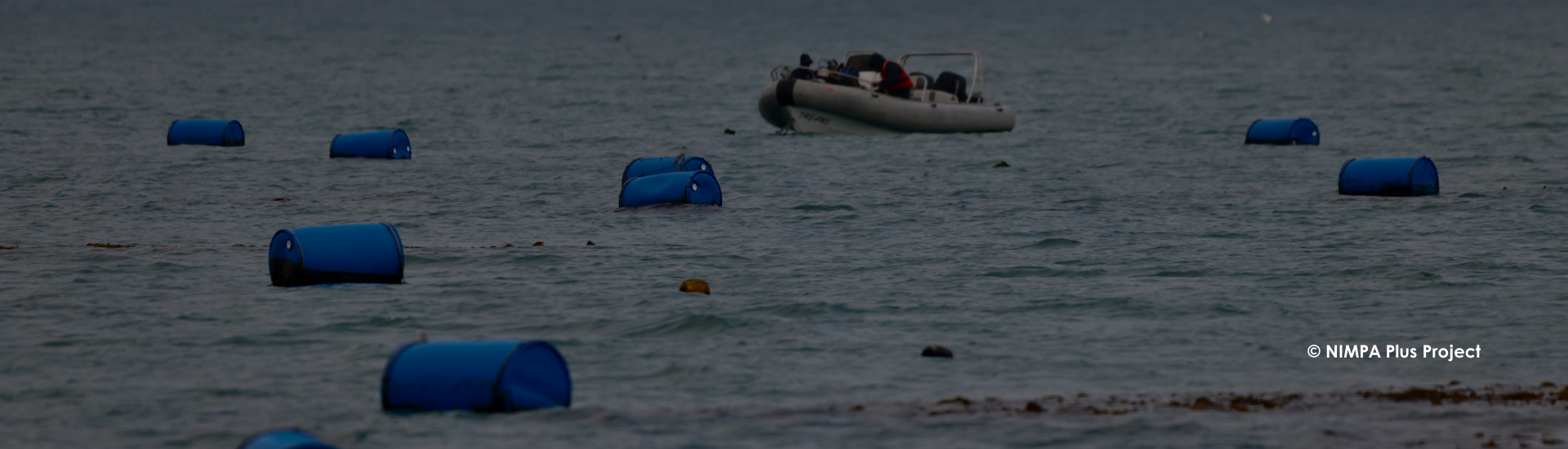
Recent seabird census findings reveal alarming population declines within the Namibian Islands’ Marine Protected Area. In recognition of World Penguin Day, NAMCOB urges urgent conservation…
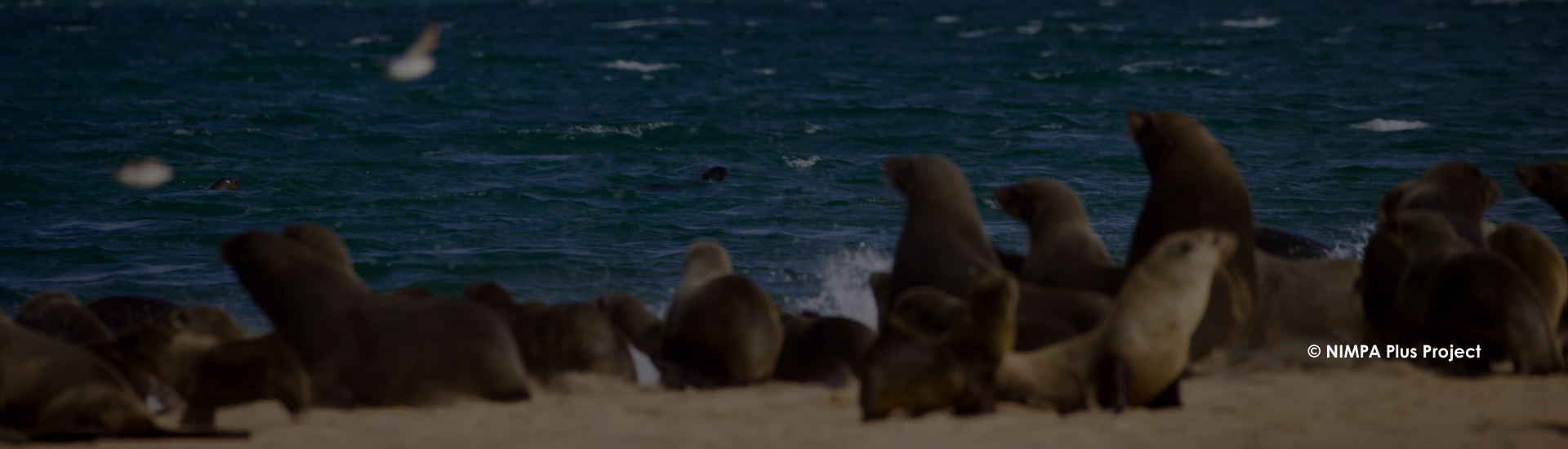
The 2024/2025 seabird census shows alarming declines in key seabird species within the Namibian Islands’ Marine Protected Area. On World Penguin Day, we call for…
We are pleased to share the Namibia Nature Foundation’s 2024 Annual Report. This year’s report highlights our continued efforts to strengthen community-based conservation, protect biodiversity,…
NNF staff recently participated in a week-long leadership development training hosted by B2Gold Namibia’s Otjikoto Environmental Education Centre and facilitated by Maliasili. The training focused…
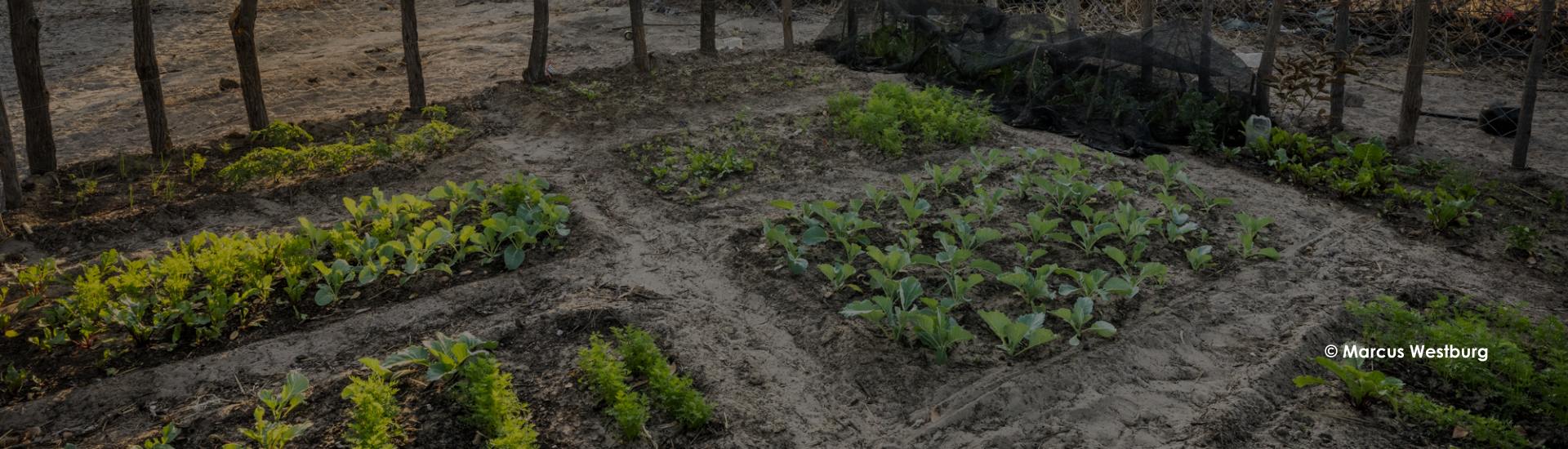
In rural Namibia, a small learner-led garden is blooming into a hub of learning, leadership, and community care. With every crop planted, moringa, pigeon peas,…
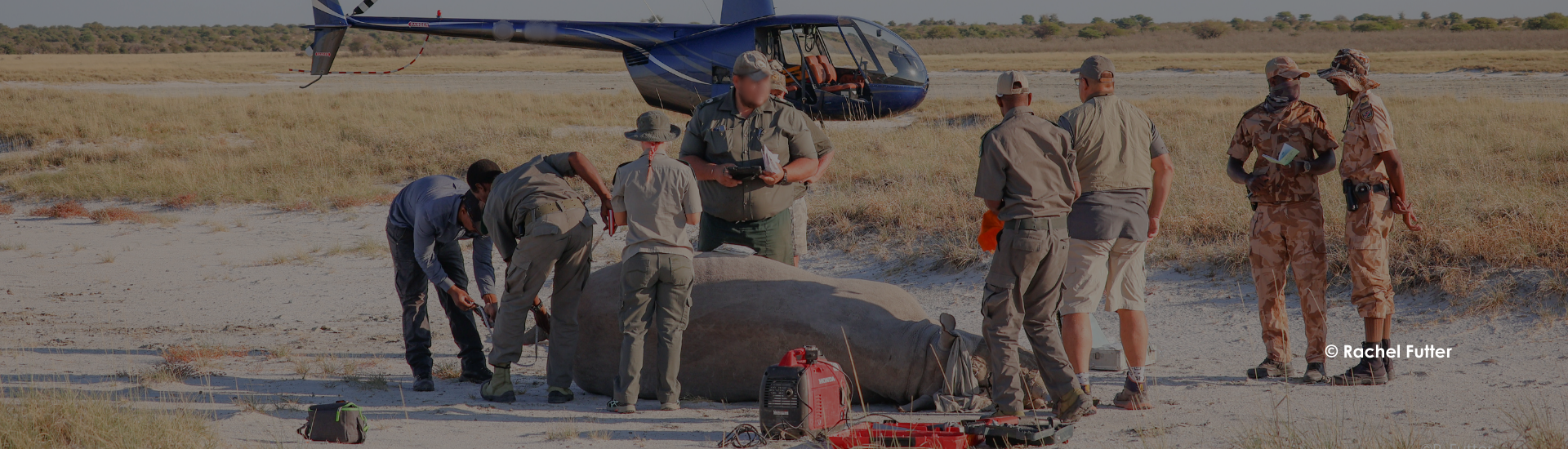
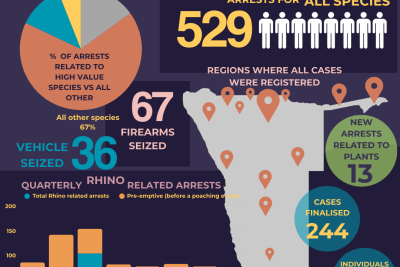
Namibia’s latest wildlife crime report reveals over 700 rhinos and 650 pangolins lost in a decade. It highlights poaching trends, governance efforts, and future priorities…
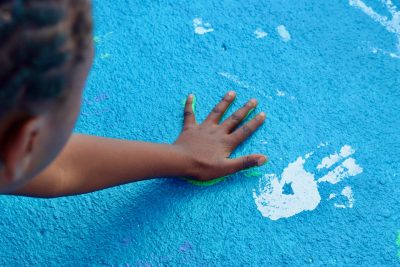
In the coastal town of Lüderitz, Namibia, walls are being transformed into powerful messages about the ocean. Through Waves of Change, local artists and students…
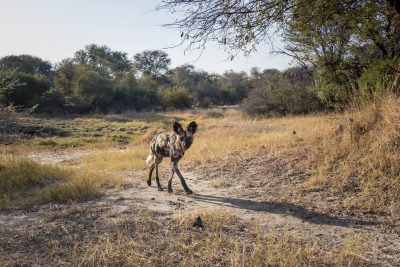
NNF and KAWDCP are piloting a Wildlife Credits model in Ondjou Conservancy to conserve African wild dog, combining camera trap data, community training, and conservation…
The Skeleton Coast–Etosha Conservation Bridge is a groundbreaking 55,299 km² initiative in Namibia, backed by the Legacy Landscapes Fund and WWF, aiming to protect biodiversity, connect…
NNF launches ESS Connect, a national Community of Practice uniting stakeholders to embed inclusive, rights-based safeguards in development. Through technical working groups and continuous engagement,…
Under the scorching Keetmanshoop sun, teacher Ms. Penexupifo Shonena transformed a barren schoolyard into a flourishing garden. Supported by the Go Green Fund, her initiative…
A formidable force in Namibia’s fight against wildlife crime, MEFT’s K9 Unit combines sharp canine instincts with human dedication to protect endangered black rhinos, detect…
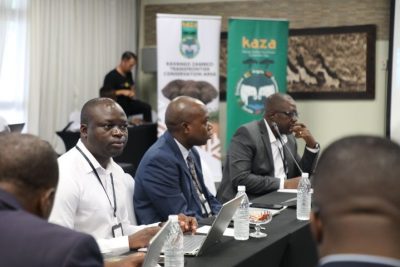
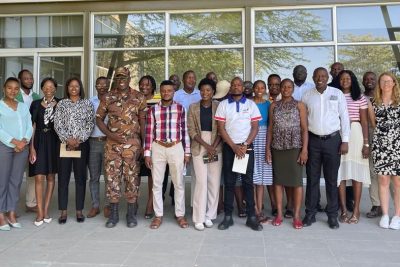
Convening in Livingstone, Zambia, the KAZA TFCA 'Partner Engagement Workshop' aimed to align strategies, address funding challenges, and forge a 'Charter for Change' among Partner…
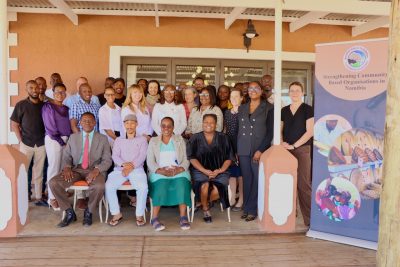
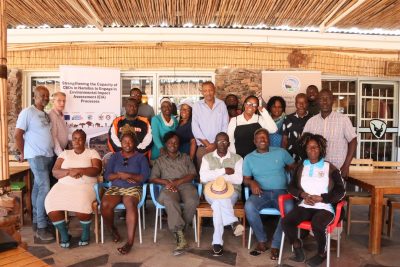
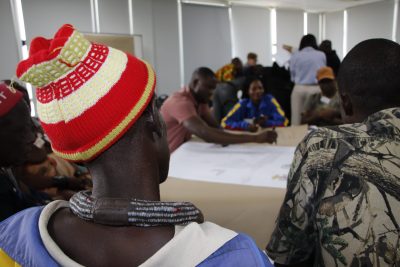
NNF and MEFT conducted EIA workshops across three regions to empower community-based organizations (CBOs). This initiative strengthens community capacity to influence environmental decision-making and ensures…
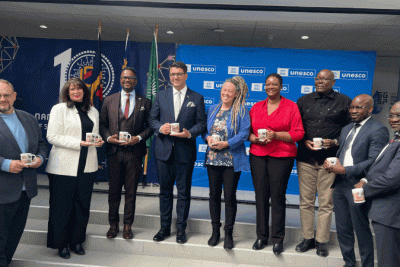
Namibia’s biodiversity faces challenges, but integrating Indigenous and Local Knowledge (ILK) is key to long-term resilience. A recent high-level workshop brought together government and IPLCs…
Namibia, highly climate-vulnerable, initiated the Green Climate Fund-backed National Adaptation Planning (NAP) Project. It strengthens coordination, builds evidence, mobilizes finance, and engages the private sector.…
In recognition of World Wetlands Day, guided wetland walks in Windhoek and Swakopmund created opportunities for direct engagement with ecosystems that play a vital role…
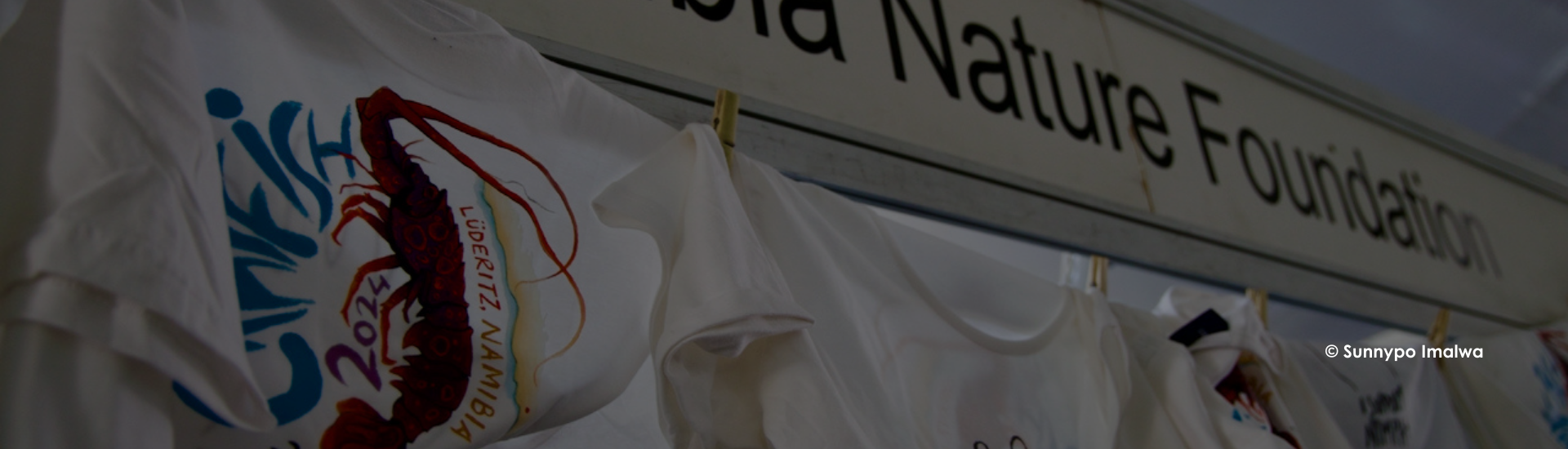
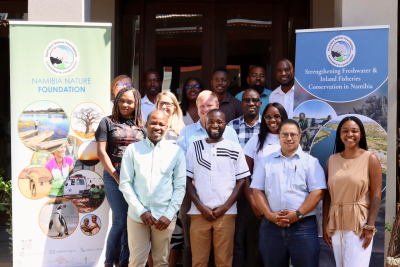
The Freshwater Initiatives for Sustainable Habitats (FISH) project officially begins with a strong commitment to collaboration, community-led action, and long-term protection of Namibia’s freshwater ecosystems.
The National Museum of Namibia’s recent Warmbad field expedition strengthens conservation planning in the Gariep Centre of Endemism by collecting vital specimens and biodiversity data,…
In February 2026, the Ocean in Focus Symposium brought together diverse stakeholders in Swakopmund to reflect on Namibia’s marine environment, highlighting the importance of science-based…
The Erongo Regional Association has been equipped with essential camping gear through NACSO and the EU-funded project, "Strengthening the Capacity of Community-Based Organisations in Namibia…
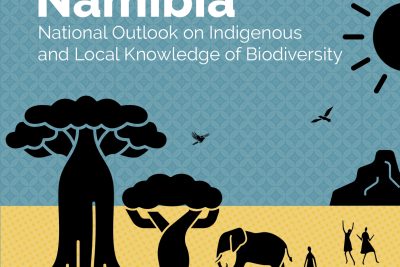
Indigenous Peoples and local communities are key stewards of biodiversity, holding knowledge that supports sustainable practices and ecosystem management. The National ILK Outlook highlights the…
We collaborate with partners to empower local communities to conserve natural resources ensuring a future where people and nature can thrive. We advocate for policy changes that support biodiversity and climate change resilient livelihoods
1
Community Members Improved Their Livelihoods
1
Partners
1
Community Based Organisations
Our Partners and Donors
Feedback from Our Partners
The NNF is a remarkable organisation to partner with, renowned for its purpose-driven projects that strive to improve our planet and its people. Being involved in an NNF project is an absolute honour and a source of immense pride.
Kirsty Watermeyer
Communication Consultant
I have never had a more reliable partner than the NNF. Just the right partner to work with in
conservation.
Simson Uri-Khob
CEO of Save the Rhino Trust
We have been partnering with Namibia Nature Foundation for over 5 years, together supporting marine conservation in Namibia. They are a passionate, efficient, highly dedicated and knowledgeable team that are fantastic to work with.
Judith Brown
Blue Marine Foundation
Working with NNF on groundbreaking initiatives like Waves of Change and NIMPA+ has been an incredibly rewarding experience. At GRID-Arendal, we are dedicated to connecting people with critical environmental knowledge, and NNF has been an outstanding partner in this mission.
Rob Barnes
GRID-ARENDAL Creative Lead, Communications Program
For us at SAERI, it has been a real pleasure to work as an NNF partner to provide science, evidence, and data management support as NNF continues to grow and develop its meaningful contributions to nature and society.
Tara Pelembe
International Director |South Atlantic Environmental Research Institute (SAERI)
Through NNF’s technical support, our team managed to establish a fully registered NGO with an element of advocating for Environment in our constituency and have also established youth groups.